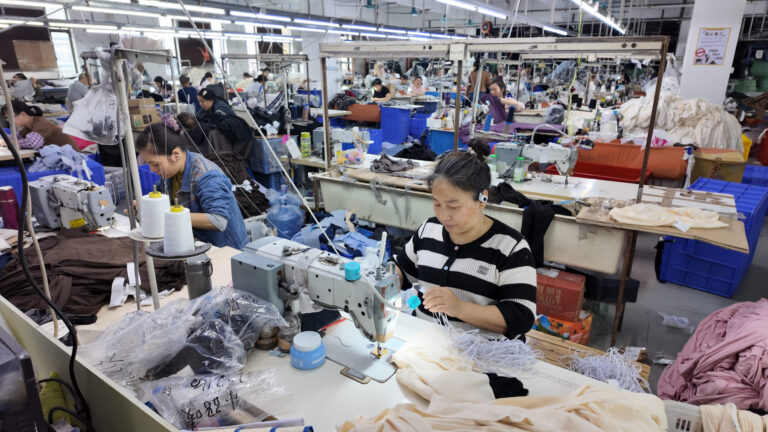
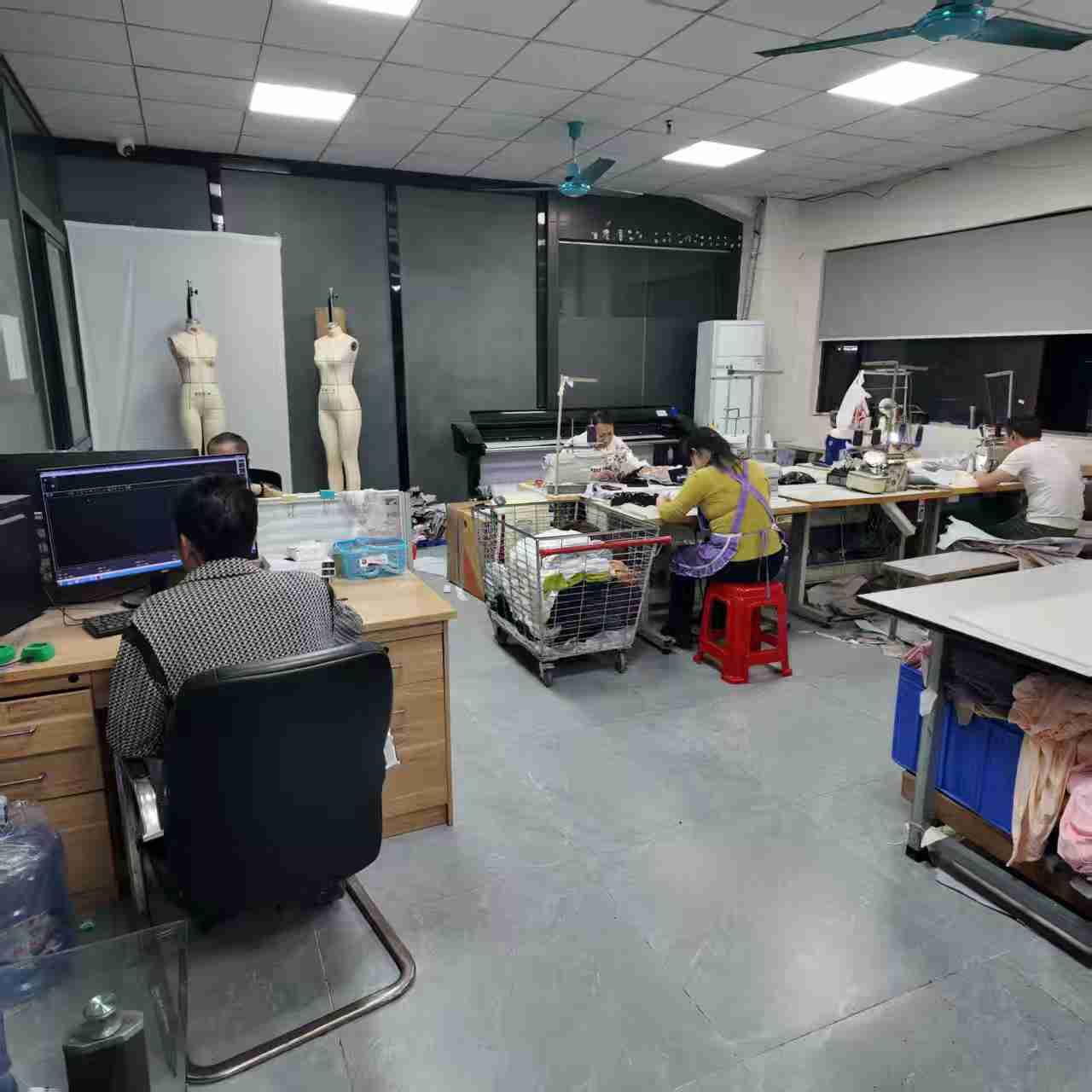

Choosing a manufacturing partner is tough. The wrong choice can lead to costly delays and kill your brand before it even starts. Let's find the right fit for you.
For new apparel brands needing design flexibility1, quick turnarounds2, and low minimum orders3, China is the superior choice. Its mature and integrated supply chain is built to support rapid development and market testing, which Vietnam's large-scale model often cannot match.
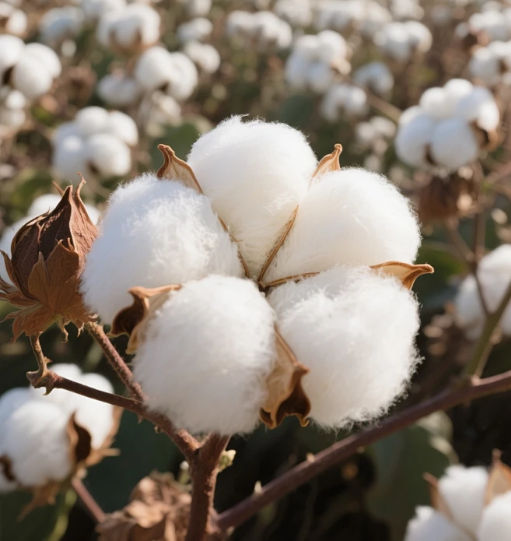
This is one of the biggest decisions you'll make for your brand. The best answer really depends on what you need right now. Let's break down the details so you can feel confident in your choice. I want to help you get this right from the very beginning.
Does China Offer a More Complete Supply Chain for New Brands?
Sourcing all your materials can feel like a puzzle. Juggling different suppliers for fabric, zippers, and buttons wastes precious time and money. China's all-in-one system solves this problem.
Yes, China's main advantage is its fully integrated supply chain. You can find everything from high-tech performance fabrics4 to tiny custom accessories5 in one place. This drastically shortens your development time, which is critical when you're just starting out and need to move fast.
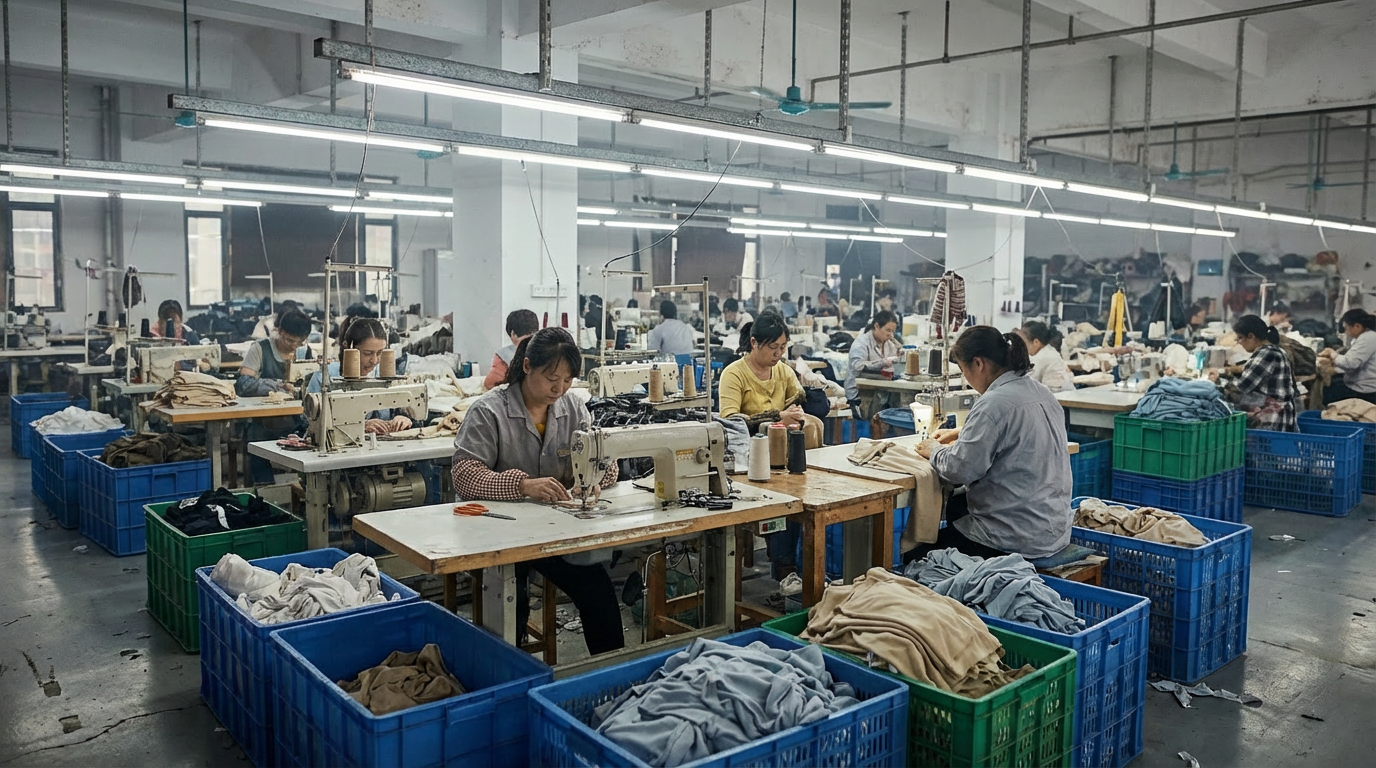
When I say the supply chain is complete, I mean everything is right there. The factory that makes your fabric is often just a short drive from the factory that sews your clothes. The people who make your custom zippers, buttons, and labels are in the same ecosystem. This is a huge deal for a new brand. I once worked with a client who needed a very specific type of waterproof zipper for a technical jacket. In China, we found a supplier, got samples, and approved them in less than a week. That process could have taken a month if we had to source it from another country. This speed allows you to test ideas quickly without waiting forever for materials to arrive.
The All-in-One Advantage
This tight-knit network means less risk and fewer headaches for you. You are not coordinating shipping between multiple countries just to get your raw materials to the factory.
| Feature | Sourcing in China | Sourcing in Vietnam |
|---|---|---|
| Fabric Mills | Widely available for any material | More limited, often imports from China |
| Trim/Accessory Markets | Massive, centralized markets | Specialized suppliers are harder to find |
| Specialized Crafts | Easy access to printing, embroidery | Can require outsourcing, adding time |
This structure is perfect for brands that are still figuring out their final product. You can make changes on the fly without causing massive delays. It gives you the creative freedom you need.
Are Chinese Factories Better for Small Orders and Flexibility?
Big factories want big orders. This can feel impossible when you're a new brand just trying to test a new design. You need a partner who will grow with you.
Absolutely. The Chinese manufacturing landscape is full of specialized small and medium-sized factories6. They are happy to take on small orders, sometimes as low as a few hundred pieces. They are also much more willing to work with you on frequent design changes7.
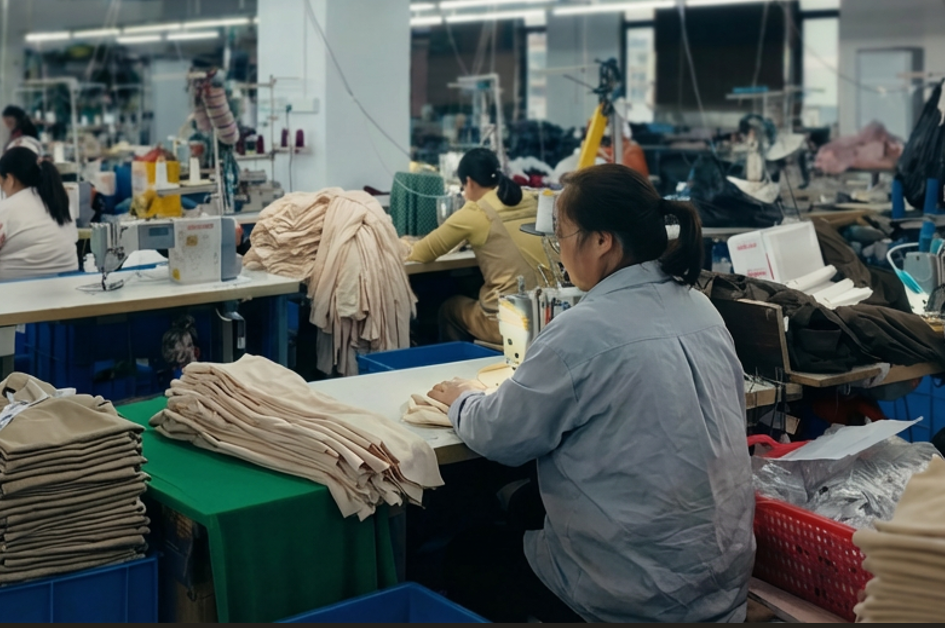
This is probably the most important factor for a startup. Vietnam's apparel industry is amazing, but it was built to serve huge brands making hundreds of thousands of the same t-shirt. Their entire system is based on large-scale efficiency. Chinese factories, especially the smaller ones I partner with, are different. They built their businesses by helping small brands get started. They understand that you need to start with a small batch to test the market. They won't turn you away because you only need 300 hoodies.
Flexibility is Your Superpower
This flexibility allows you to be smart with your money. You don't have to bet your entire budget on one design. You can launch multiple styles in small quantities and see what sells.
A startup client of mine wanted to launch a new line of activewear. They had five different designs but a limited budget. A Vietnamese factory quoted them a minimum of 2,000 pieces per style. We found a Chinese partner who agreed to produce 300 pieces per style. This allowed my client to launch their full collection, and they discovered their best-seller was a design they almost cut. That's the power of small-batch production8.
| Factor | Chinese Factories | Vietnamese Factories |
|---|---|---|
| Typical MOQ | 100-500 pieces | 1000-3000+ pieces |
| Design Changes | Welcomed during sampling | Can cause major delays |
| Ideal Customer | Startups, E-commerce Brands | Established, High-Volume Brands |
How Does Communication and Speed Compare Between Chinese and Vietnamese Factories?
Slow communication can kill your momentum. Waiting days for an answer to a simple question is frustrating and delays your launch. You need a factory that works at your speed.
Chinese factories are generally faster and more direct with communication. They use tools like WeChat and have deep experience in e-commerce and foreign trade. This means quicker samples, faster feedback, and a much more collaborative development process, which is essential for new brands.

In my experience, the speed of business in China is incredible. I can send a message to a factory manager on WeChat with a question about a fabric sample and often get a photo or an answer back in minutes. This real-time communication is a game-changer. The whole system is built for agility. Factories are used to working with demanding e-commerce clients who need things done yesterday. This culture of speed helps you get your product from an idea to a finished sample much faster.
The Impact of Agile Communication
This isn't just about convenience; it's about your development cycle. Fast communication means fast problem-solving.
| Communication Aspect | China | Vietnam |
|---|---|---|
| Primary Tools | WeChat, Alibaba, Email | Email, Formal Calls |
| Response Time | Often within hours | Can be 24-48 hours |
| Sampling Speed | Typically 1-2 weeks | Typically 3-4 weeks |
| Language Barrier | Many sales reps speak good English | Can be more of a challenge |
When you're trying to finalize a design, you will have dozens of small questions. You might want to see a different stitch color or a slightly different cut. In China, that conversation is quick and easy. A factory can make a small adjustment and send you a photo the same day. This rapid feedback loop helps you perfect your product without the long, frustrating waits that can happen elsewhere.
So, Which Country is the Right Starting Point for My Apparel Brand?
You need to make the smartest choice for your brand right now. The right partner will help you launch successfully. The wrong one can stop you before you even start.
If your brand focuses on unique designs, needs to test the market with small batches, and requires a fast and responsive supply chain, China is the ideal starting point. It is built to help new brands like yours succeed and grow.
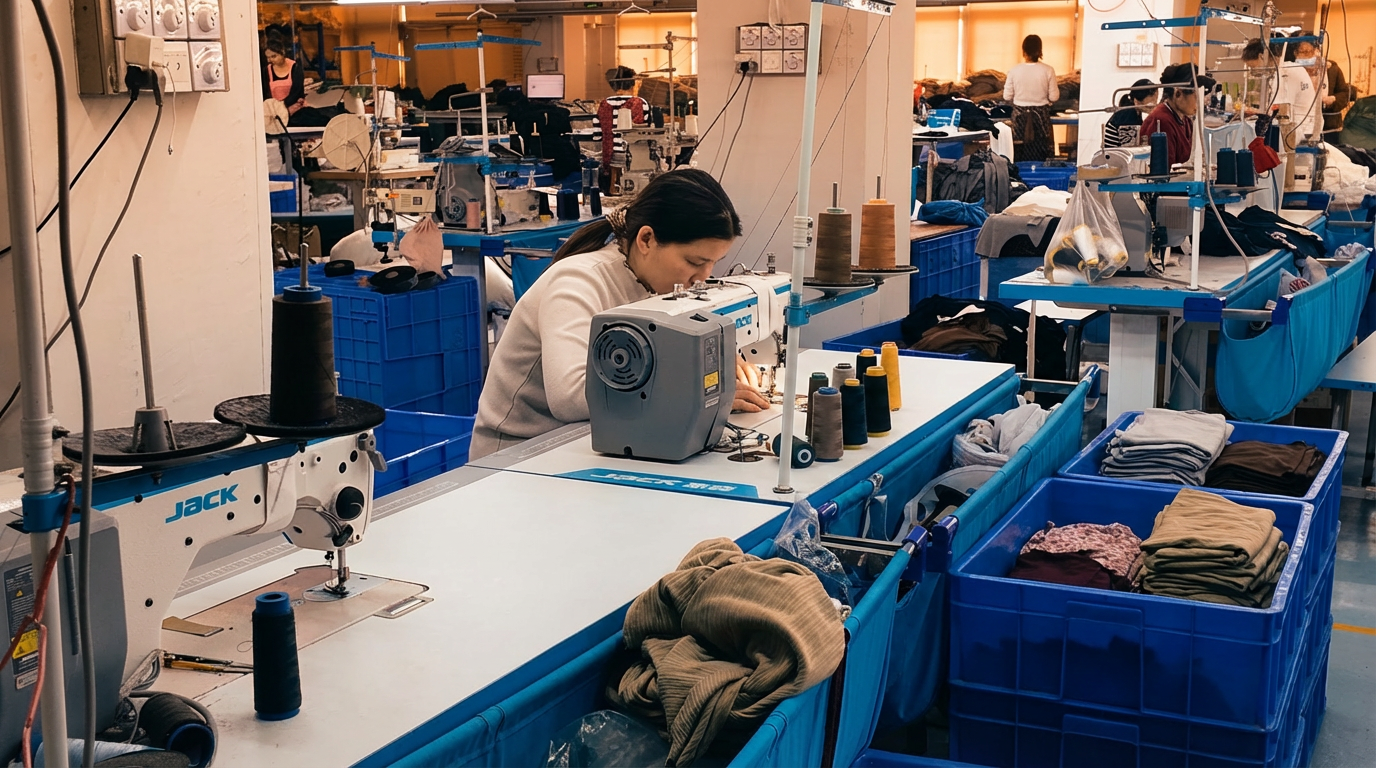
My core advice is this: start in China. Specifically, look for small, specialized factories in provinces like Guangdong and Zhejiang. These places are hotspots for exactly the kind of flexible, high-quality manufacturing you need. You get the perfect balance of quality, speed, and a low barrier to entry. You can develop your unique product, produce a small test run, and get it to market quickly to see what your customers think. Once your brand is established and you need to produce tens of thousands of units of a single style, then it might be time to explore the large-scale efficiencies9 of Vietnam. But for the crucial beginning stages, China provides the support and flexibility that new brands need to survive and thrive.
Your Decision-Making Checklist
Use this simple guide to help you decide.
| Choose China If... | Consider Vietnam If... |
|---|---|
| You have a unique, complex design10. | You have a simple, stable design. |
| You need a low MOQ11 (under 1000). | You need a high volume (5000+). |
| You need to launch very quickly. | You have a longer production timeline. |
| You anticipate making design changes7. | Your design is 100% finalized. |
Starting a brand is a marathon, not a sprint. Choosing the right partner for the first leg of the race is critical.
Conclusion
For new brands needing speed, design flexibility1, and small-batch production8, China is the clear winner. It's the best place to build a strong foundation for your business's future.
Understanding design flexibility can help you adapt quickly to market demands and innovate your product offerings effectively. ↩
Quick turnarounds allow you to respond swiftly to market trends and customer feedback, keeping your brand competitive and relevant. ↩
Low minimum orders enable startups to test products without large financial commitments, reducing risk and allowing for market experimentation. ↩
High-tech performance fabrics enhance product quality and functionality, appealing to consumers seeking advanced apparel solutions. ↩
Custom accessories can differentiate your brand, offering unique product features that attract niche markets. ↩
These factories offer personalized service and flexibility, ideal for startups needing tailored solutions and smaller production runs. ↩
Managing design changes efficiently ensures your product meets evolving market demands without significant delays. ↩
Small-batch production allows for market testing and reduces inventory risk, enabling agile business strategies. ↩
Understanding large-scale efficiencies helps in planning for future growth and optimizing production processes. ↩
Manufacturing unique designs can set your brand apart, attracting customers looking for distinctive fashion items. ↩
Low MOQ allows startups to produce small quantities, minimizing risk and enabling product testing before scaling. ↩