
Practical Sustainability in Action
We focus on compliant materials, process control, and waste reduction—actions that work in real production.
Real Actions,
Not Just Words
At Darmax, sustainability means making responsible, practical decisions throughout manufacturing--especially in material selection, process control, and waste reduction. We focus on actions that can be implemented in real production, rather than broad claims.
- 1 Responsible Materials
- 2 Efficiency & Waste Reduction
- 3 Quality-First to Prevent Waste
Responsible Sourcing
Certified organic & recycled materials that meet GRS, GOTS, and OEKO-TEX.
Fabric Efficiency
Digital marker planning to maximize fabric use and reduce cutting waste.
Scrap Recycling
Production off-cuts are sorted and sent for recycling or re-spinning.
Less Defects & Rework
Four-stage QC helps reduce defects, rework, and material loss.
What This Means
for Your Brand
Practical sustainability isn't only about "eco materials"--it supports predictable quality, fewer issues, and smoother compliance processes.
Reduced Defects
Minimize rework costs with clear checkpoints and early confirmation stages.
Consistent Quality
Improve production consistency to significantly lower returns and quality claims.
Certified Options
Access certified sustainable materials when your market requirements demand it.
Easier Compliance
Prepare clearer documentation and tracking for smoother compliance reviews.
Responsible Material Sourcing
When requirements allow, we prioritize organic, recycled, and certification-compliant materials. We leverage our local supply chain to find the best eco-options that meet global sustainability standards like GRS, GOTS, and OEKO-TEX.
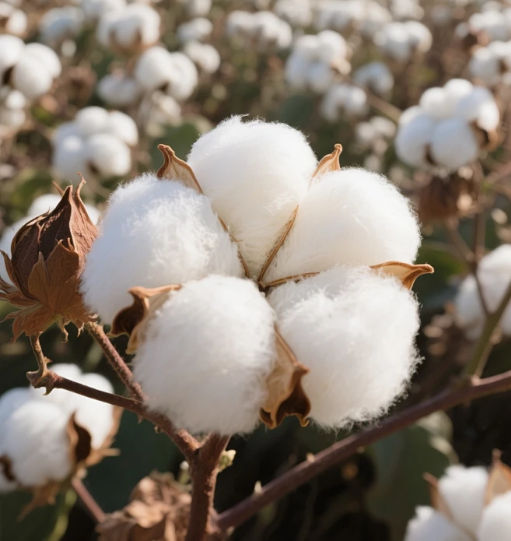
Organic Cotton

Bamboo Fiber
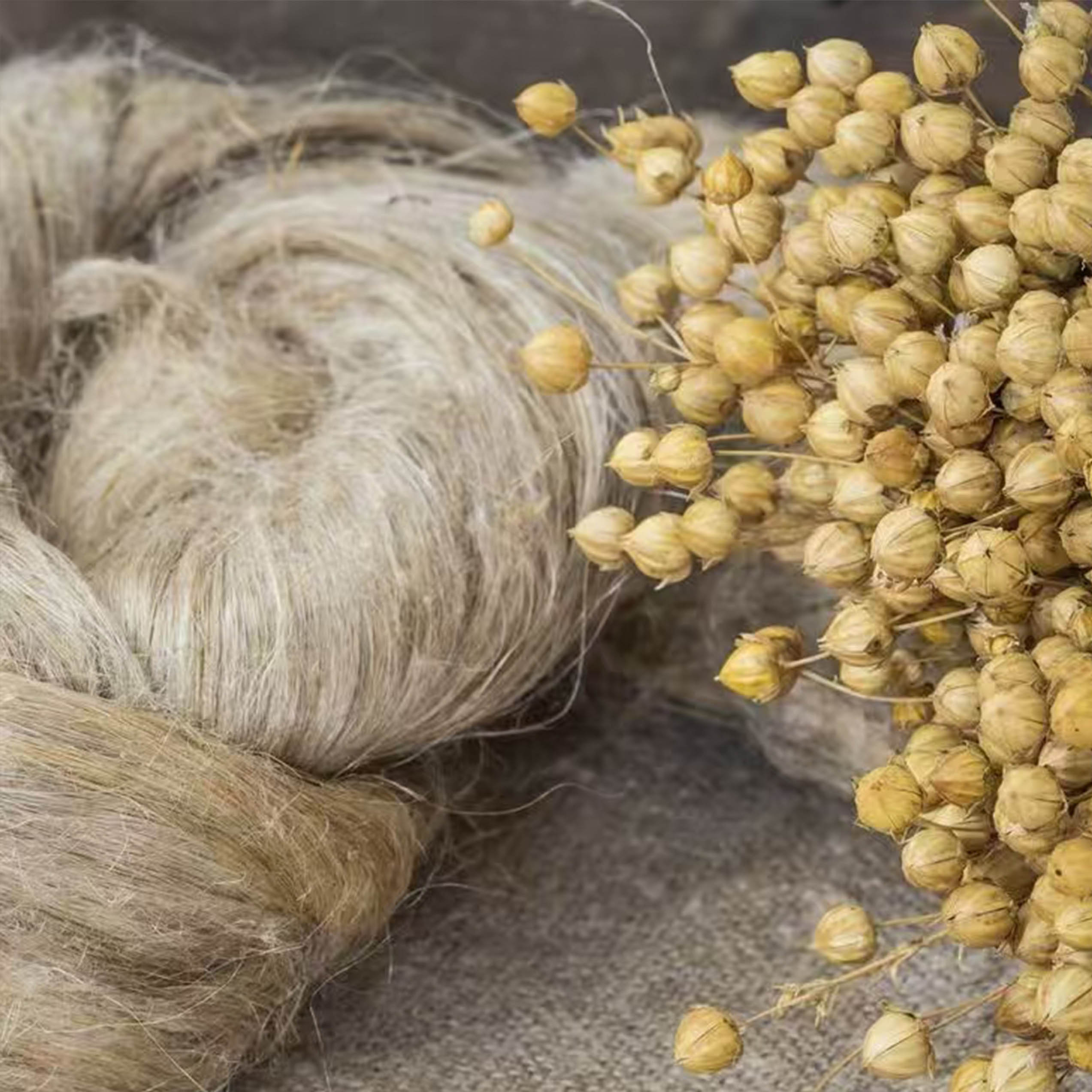
Linen
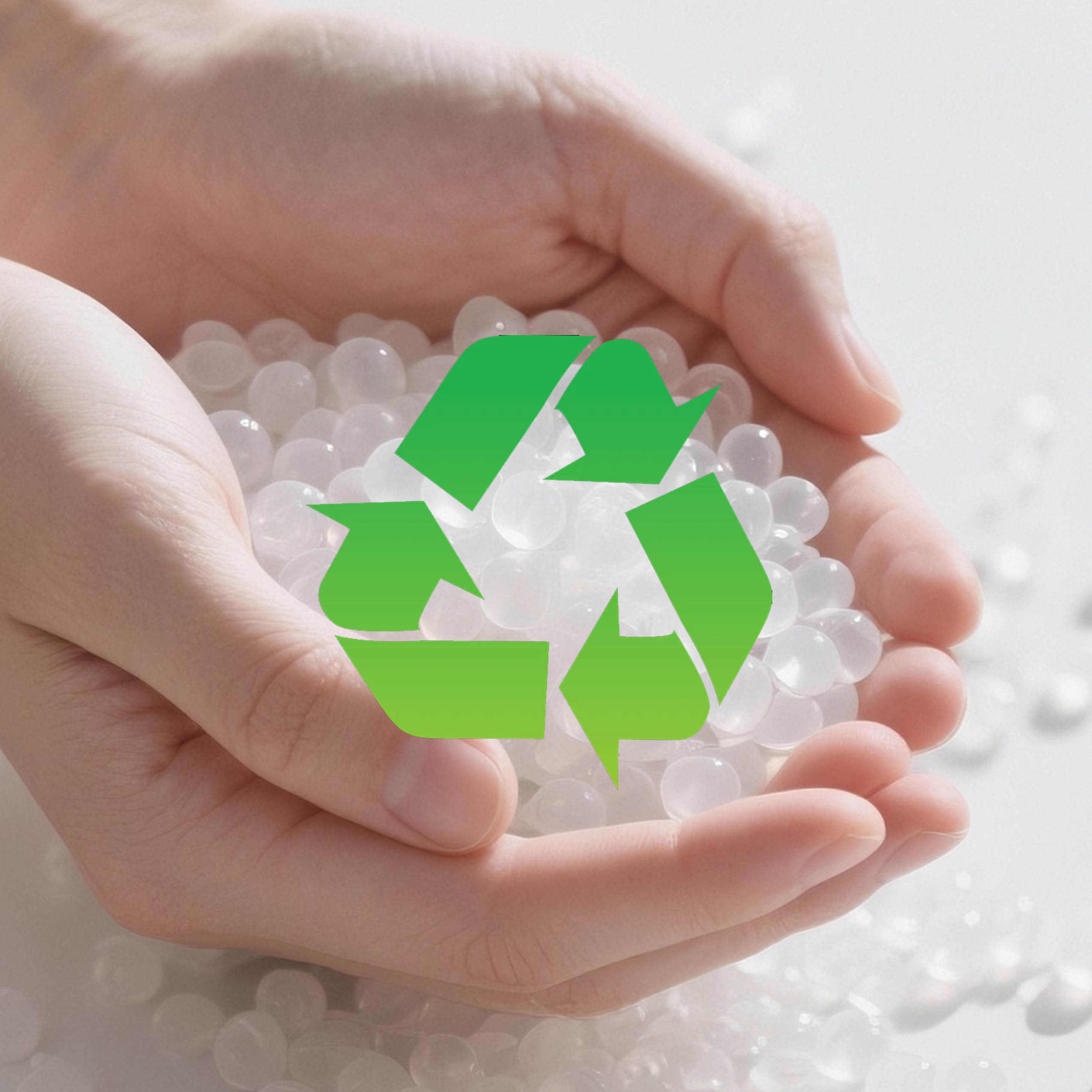
Recycled Polyester
Improving Fabric Utilization
We use digital marker-making software and automated precision cutting to maximize fabric usage. By scientifically arranging patterns, we reduce cutting waste and improve overall efficiency.
- Computerized layout planning
- Reducing material waste
- Cost savings passed to clients
"Efficiency isn't just about speed; it's about making every meter of fabric count."
Reducing Waste by Recycling
Fabric off-cuts generated after cutting are unavoidable in garment production. We don't treat them as simple waste. Instead, we collect and sort cutting off-cuts and route them through recycling partners to reduce unnecessary waste and support a more sustainable way of handling fabric leftovers.
How We Handle Off-cuts
- Collected after cutting by assigned staff
- Sorted by fabric type and condition
- Reused or recycled depending on feasibility
Reducing Defects & Rework
By applying a strict four-stage QC process (IQC, IPQC, FQC, OQC), we work to lower defect rates and rework. Doing it right the first time significantly reduces energy consumption and material waste.
Documentation &
Compliance Support
For brands that need documentation and traceability, we can help organize the necessary paperwork throughout the production lifecycle. We ensure your supply chain is transparent and audit-ready.
Material Certifications
We collect and organize relevant material certificates from our fabric and trim suppliers. This helps ensure certification information is clear, traceable, and ready for reference when needed.
- GRS (Global Recycled Standard)
- GOTS (Global Organic Textile Standard)
- OEKO-TEX Standard 100
Ready to build a sustainable collection?
Contact us to discuss how we can integrate eco-friendly materials and efficient production planning into your next order.
Get a Sustainable Quote