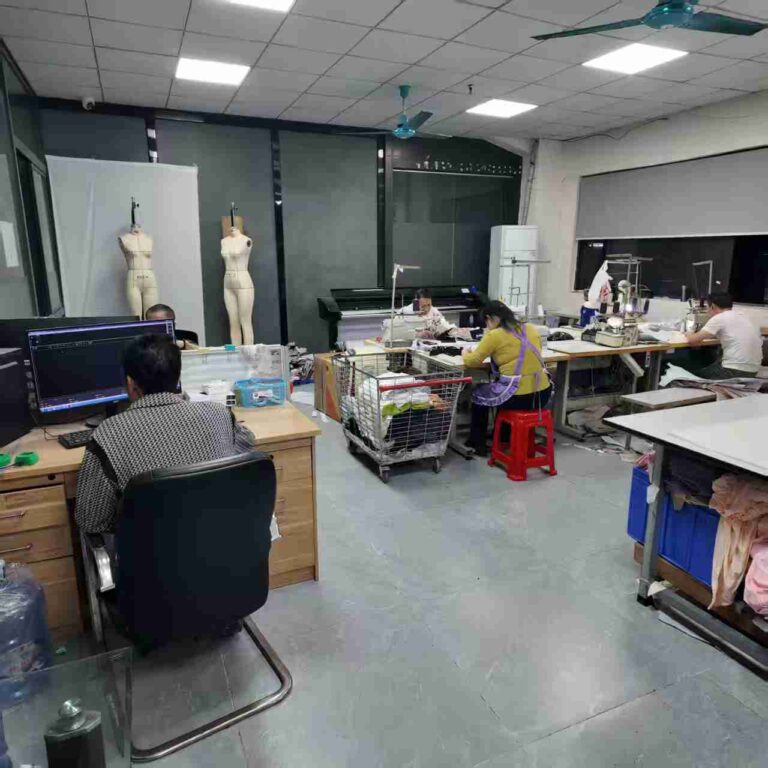

Darmax at a glance
| Minimum order | From 30 pieces per style |
| Sampling | 7 to 10 days |
| Bulk production | 20 to 30 days |
| Factory certification | SGS certified |
| Certified fabrics | GRS, GOTS, OEKO-TEX available |
Launch a t-shirt first. It has the fewest pattern pieces, the lowest fabric weight, the most forgiving fit and the shortest production cycle of the three. That combination gives you the most learning for the least money while you test demand.
This is not a claim that t-shirts are the best product. It is a claim about sequencing: each of the three carries a different amount of manufacturing risk, and a new brand should spend its first production budget on the product that can teach it the most.
How do the three compare?
| Factor | T-shirt | Sweatshirt | Hoodie |
|---|---|---|---|
| Pattern pieces | Few | Moderate | Most |
| Fabrics | Jersey, light and stable | Loopback or brushed fleece | Loopback or brushed fleece, plus hood lining |
| Components beyond fabric | Neck rib, labels | Neck rib, cuffs, hem rib, labels | Cuffs, hem rib, lined hood, pocket, drawstring, labels |
| Fit sensitivity | Forgiving | Moderate | High, because the hood and shoulder interact |
| Decoration surface | Flat | Mostly flat | Interrupted by pocket and hood seams |
| Production operations | Fewest | More | Most |
| Seasonality | Year round in most markets | Cooler seasons | Cooler seasons, more pronounced |
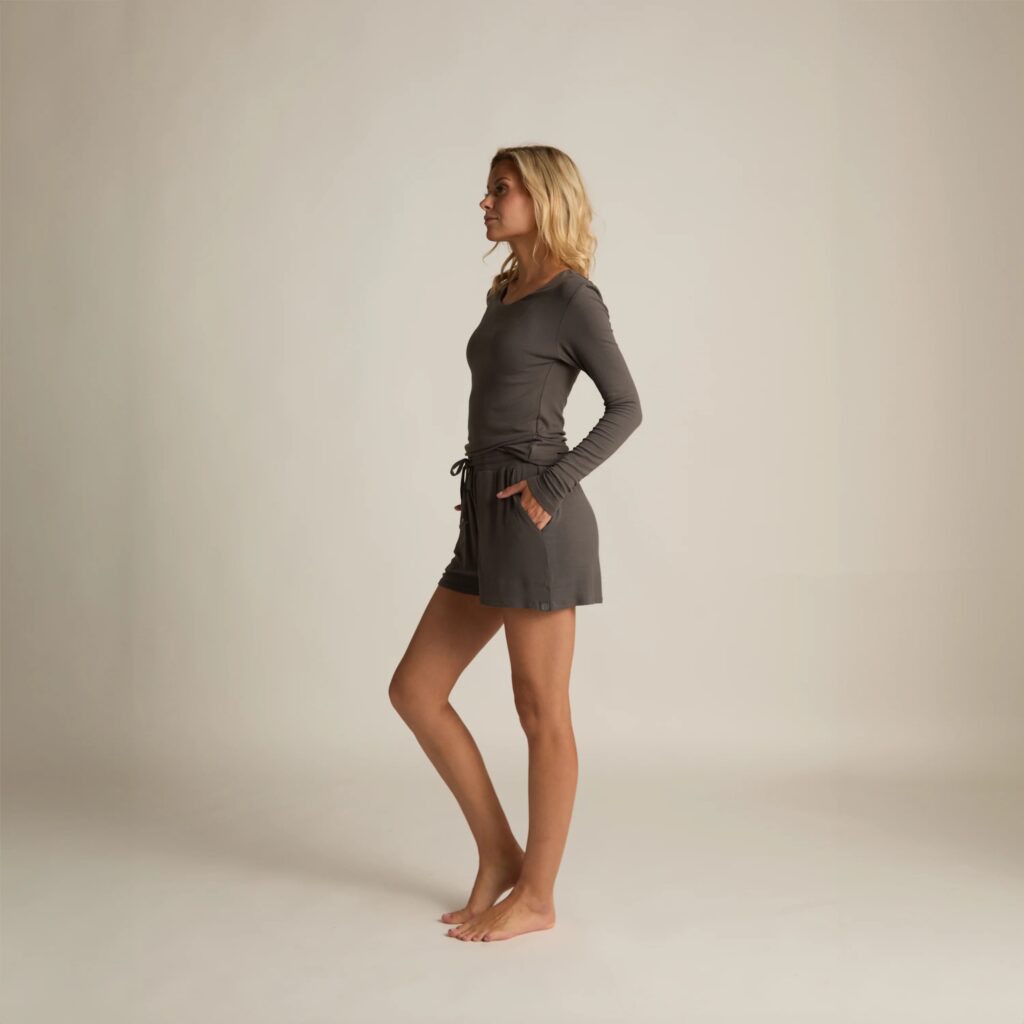
Why the t-shirt is usually the lowest-risk first product
Three reasons, all of them structural.
Fewer operations means fewer places to fail. Assembly complexity is the main driver of defect rate. A garment with fewer seams and fewer attachments gives quality control less to catch and gives you less to correct.
Fit risk is lower. A t-shirt’s fit is largely determined by chest, length and sleeve, and it tolerates a small tolerance error without becoming unwearable. A hoodie’s fit depends on how the hood sits and how the shoulder drapes, which is harder to get right on the first attempt.
Decoration is simpler. A flat front panel takes screen printing, DTG and embroidery predictably. A hoodie front is interrupted, and a hood surface distorts during printing.
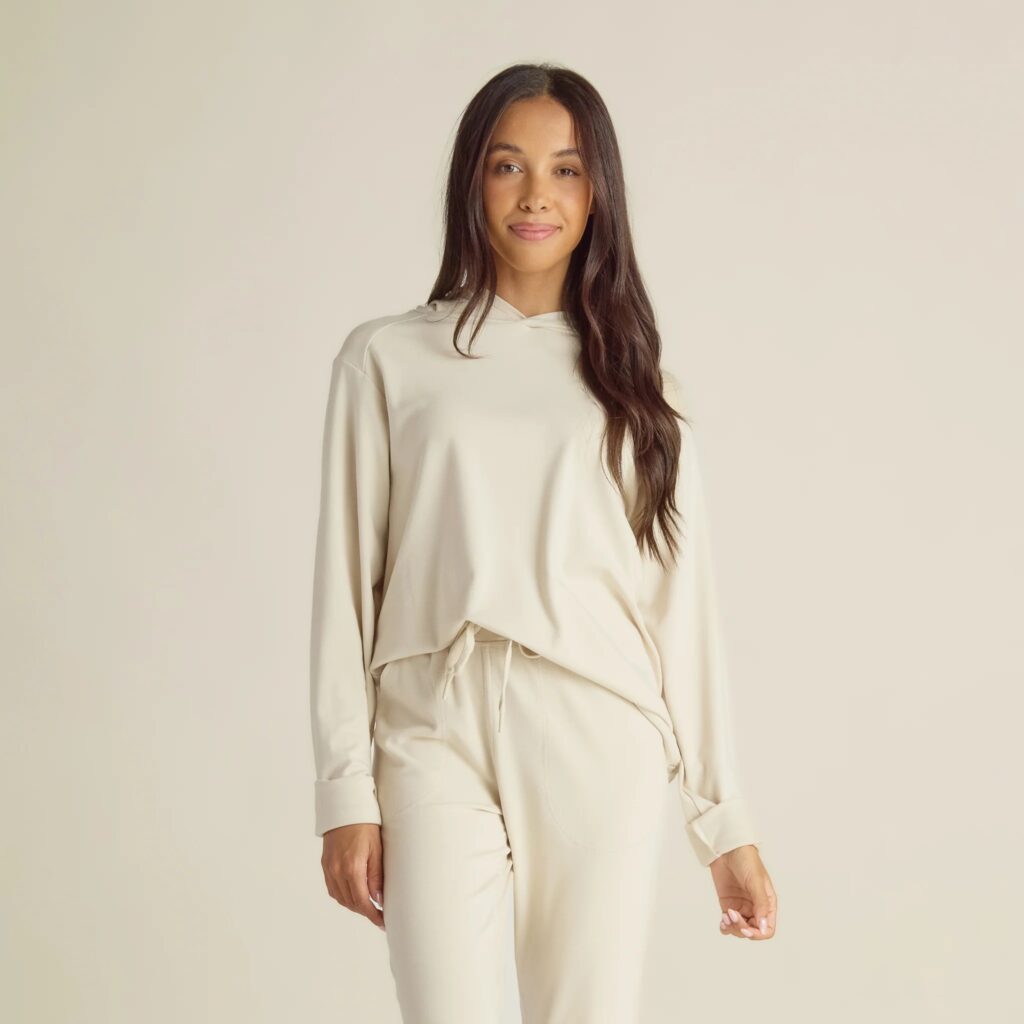
When is a hoodie the better first product?
There are legitimate cases:
- Your brand is positioned on the garment itself. If a heavyweight hoodie is the product, launching a t-shirt first would test the wrong thing.
- Your price point supports the extra development. A hoodie can carry a higher margin, which can absorb a revision round.
- Your market is seasonal and you are launching into the cold season.
If you take this route, budget for a second sample round. It is the normal cost of starting with the more complex garment.
How should you sequence your first three products?
A sequence that works for most brands:
- A plain t-shirt in one colour. Establish fit, fabric hand feel and print quality.
- A second t-shirt variation in a different weight or fit, to see which sells before committing further.
- A sweatshirt. Introduces heavy fabric and ribbing without the hood components.
- A hoodie. Reached once you already trust the factory on construction and fit.
Each step adds one new variable rather than several. That is what keeps a first production run diagnosable.
Frequently asked questions
Which garment should a new clothing brand launch first?
A t-shirt. It has the fewest pattern pieces, the lowest fabric weight, the most forgiving fit and the shortest production cycle, so it carries the least risk while you test fit, print quality and demand.
Why is a hoodie harder to manufacture than a t-shirt?
A hoodie carries components a t-shirt does not: a lined hood, a kangaroo pocket, ribbed cuffs and hem, a heavier fabric that is harder to control through the machine, and usually a drawstring or hardware. Each adds a process and a failure point.
Is a sweatshirt cheaper to produce than a hoodie?
Generally yes. A sweatshirt uses the same heavy fabric but removes the hood, the pocket and the hardware, so it takes fewer operations to assemble. It is a common second product for that reason.
Do heavier fabrics need a higher minimum order?
A heavier fabric does not change the minimum order quantity as such, but it can limit fabric availability. Loopback and brushed fleece are stocked in a narrower colour range than jersey, so a specific colour can push you toward a custom dye lot.
We produce all three categories from From 30 pieces per style. Send your design through the quote form and we will tell you which one carries the least risk for your specific design.
Related reading: what MOQ to expect and the sample development timeline.